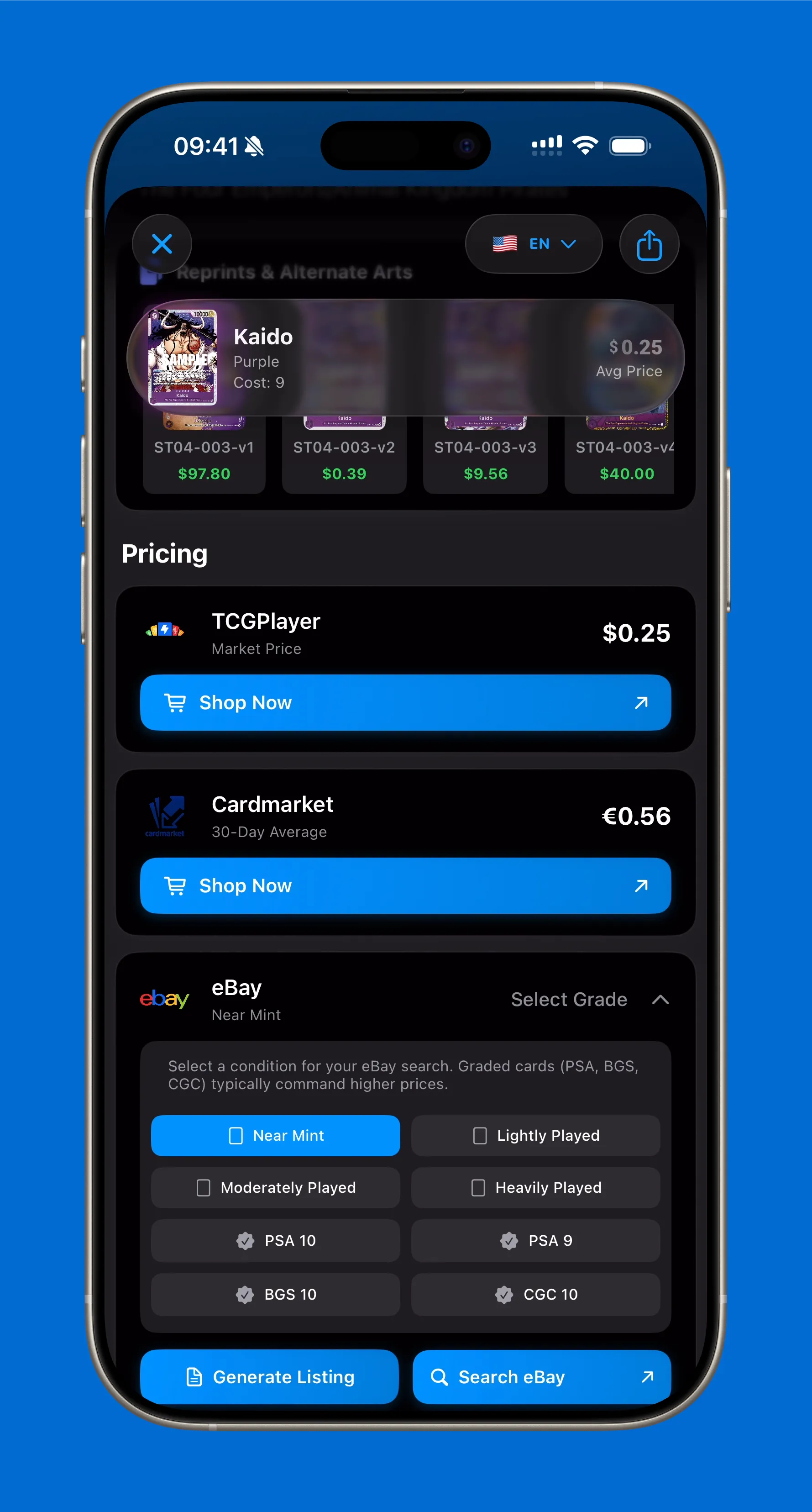
One Piece TCG Price Trends 2026: 30/90‑Day Movement Guide
Prices tell a story over time. The best collectors track movement windows, not just today’s number. Here’s how to read trends and compare markets without drowning in spreadsheets.
What is a healthy 30‑day price trend?
A healthy 30‑day trend shows gradual movement with occasional spikes tied to set releases or tournament results. If a card rises sharply with no supporting event, it often settles back. Use 90‑day views to confirm whether the move has real momentum.
Compare JP vs. EN markets
Japanese cards often move first, with English prices following after hype or tournament results. If you track both, you’ll spot early signals and avoid buying at the top.
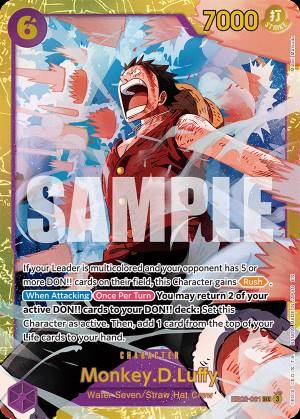
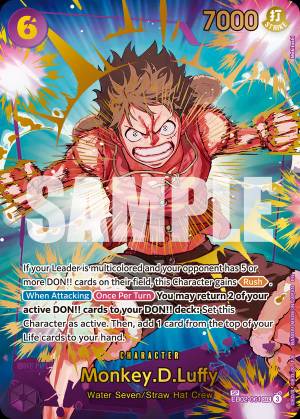
Anime 25th Collection
Build a simple trend routine
- Scan 10–20 cards you care about.
- Save them to a watchlist.
- Review 30/90‑day movement weekly.
- Compare sets after reprint announcements.
CTA: Use Haki TCG to track trend windows and compare set movement over time.
Related Articles
- One Piece TCG Price Guide 2026: Complete Card Values
A collector-first price guide for One Piece TCG in 2026—how values move, what drives spikes, and how to track your collection with Haki TCG.
- One Piece TCG Investment Guide 2026: What to Watch
A collector‑friendly investment framework for One Piece TCG—set timing, reprint risk, and how to build a smart card portfolio.
- Haki Scan to Database Workflow: End-to-End Collector System
End-to-end system that naturally showcases app utility

Deine One Piece Karten warten darauf entdeckt zu werden.
Sofortige Kartenerkennung mit marktführender Genauigkeit.