One Piece TCG Rarity Guide: Symbols, Tiers, and What They Mean
Rarity matters because it affects availability, collectability, and long‑term value. This guide breaks down the common rarity tiers and how to identify them quickly when you’re sorting a new stack.
How do rarity symbols work in One Piece TCG?
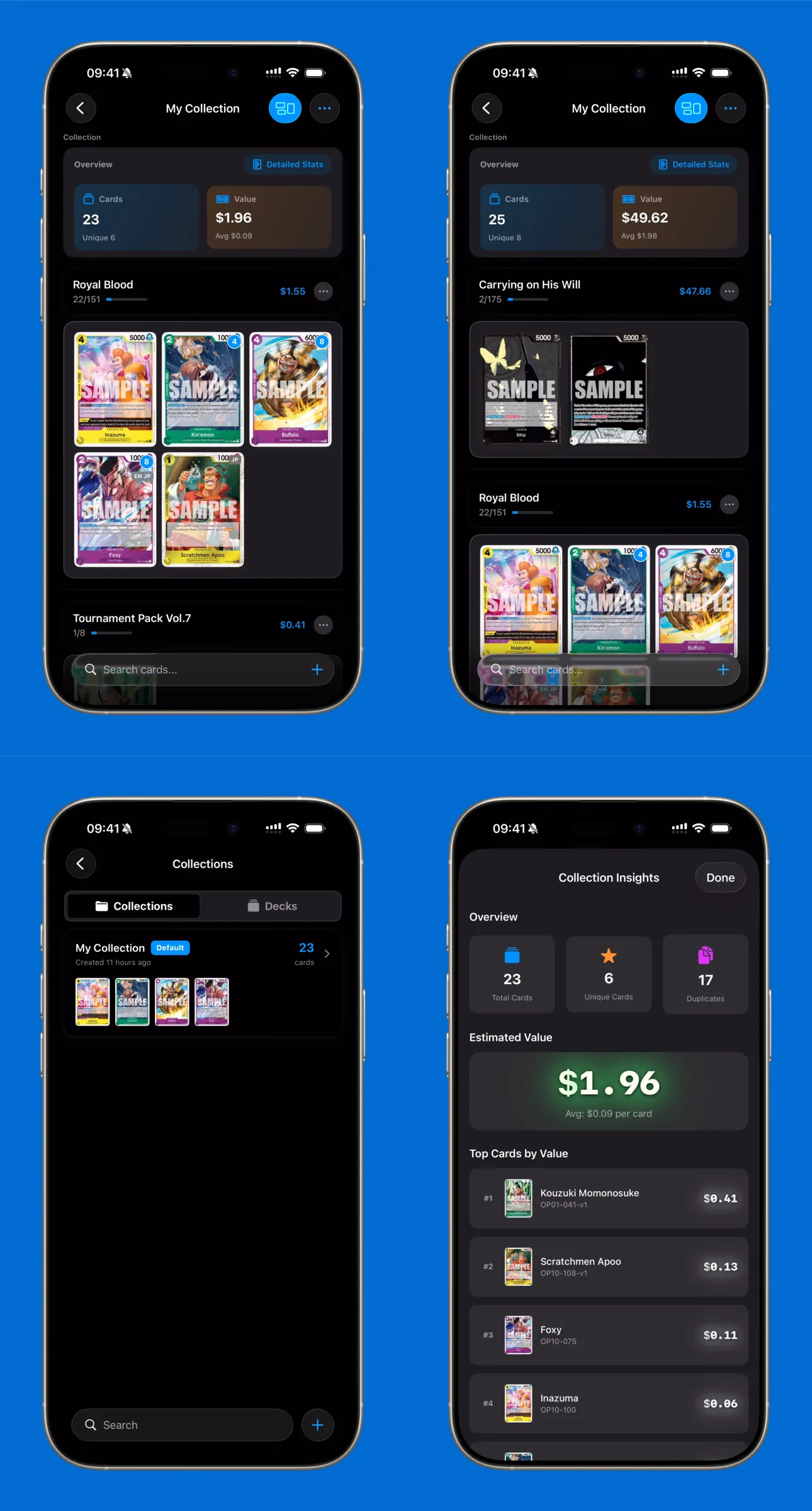
Rarity symbols appear near the card number and include tiers like C, UC, R, SR, L, and SEC. Higher tiers usually have lower pull rates and hold value longer. The easiest way to confirm rarity is to scan the card and check its data in Haki TCG.
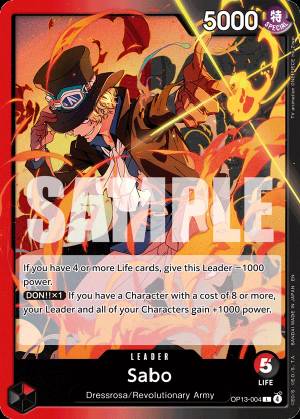
Rarity tiers at a glance
- C / UC: Common and uncommon—bulk but important for deck building.
- R / SR: More competitive and often staple cards.
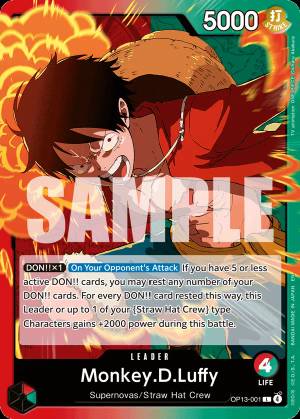
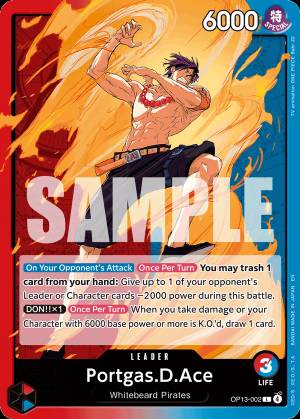
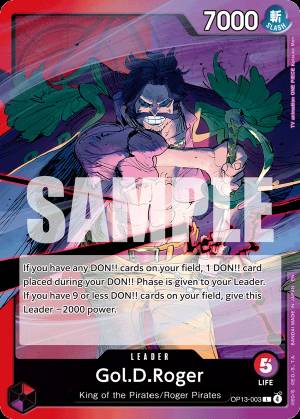
- L: Leaders—core to most decks.
- SEC / SP: Chase cards and collector targets.
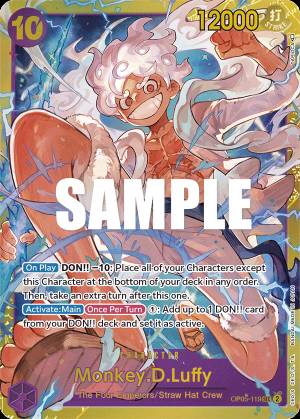
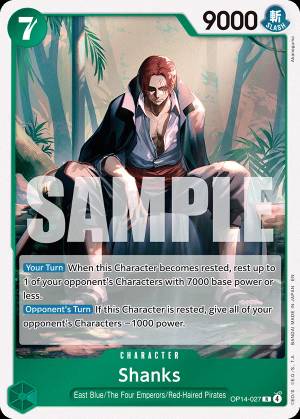
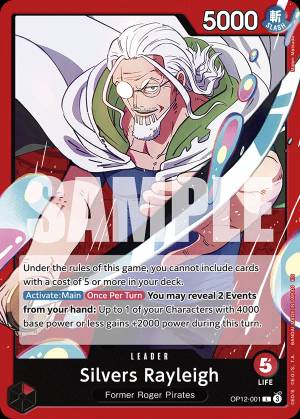
Example pulls across rarity tiers
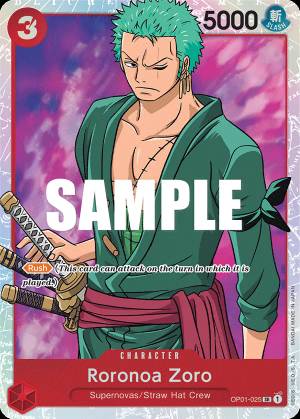
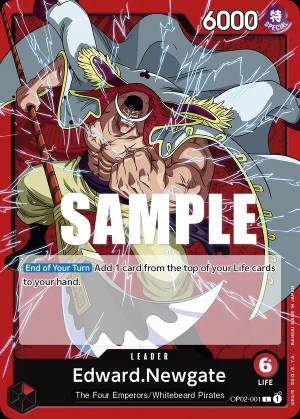
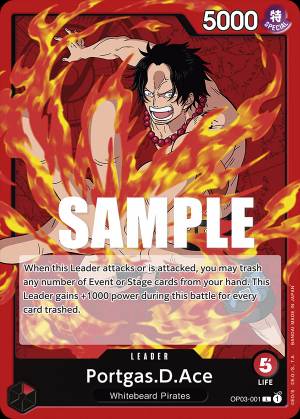
Why rarity matters for collectors
Rarity shapes price floors and influences how quickly cards move after reprints. Keep a rarity‑sorted list in Haki TCG so you can track value by tier.
CTA: Scan your pulls in Haki TCG and track rarity instantly.
Related Articles
- How to Spot Fake One Piece TCG Cards (2026 Guide)
A practical visual checklist for identifying counterfeit One Piece TCG cards, with focus on common tells and high‑risk chase cards.
- Most Expensive One Piece Cards Right Now (Updated 2026)
A live‑tracking list of the most valuable One Piece TCG cards, plus what drives their value and how to monitor them.
- Should You Grade Your One Piece Card? ROI Calculator + Guide
A practical grading ROI framework for One Piece TCG: when grading makes sense, what costs to include, and how to estimate upside.
Vos cartes One Piece attendent d'être découvertes.
Identification instantanée des cartes avec une précision de pointe.