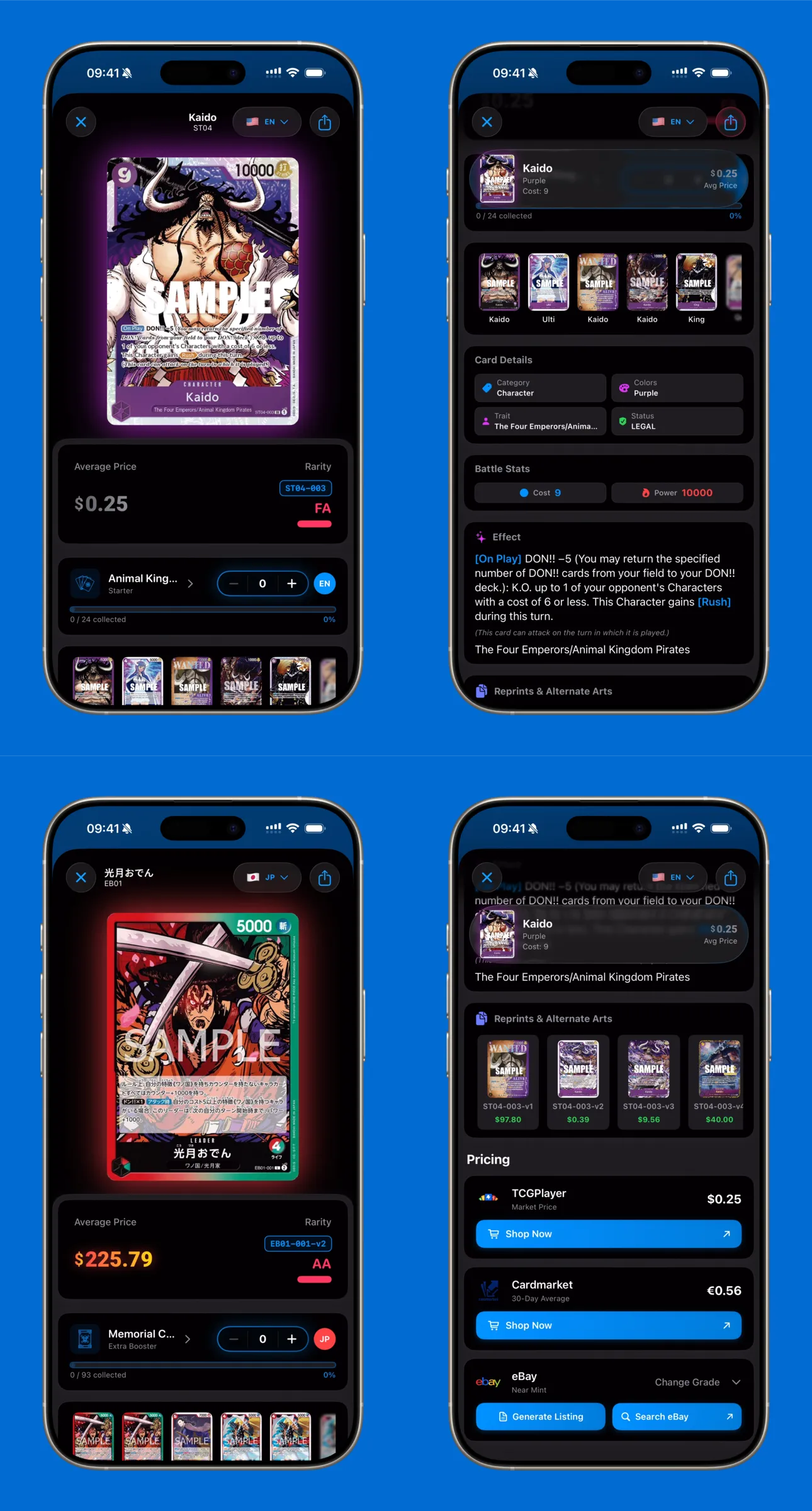
Should You Grade Your One Piece Card? ROI Calculator + Guide
Grading isn’t always worth it. The right question isn’t “Is this card cool?”—it’s “Will the graded premium exceed all costs?” Here’s a collector‑friendly way to decide.
When does grading pay off?
If a card’s graded premium is significantly larger than fees and shipping, grading can be a smart move. High‑value chase cards usually qualify; mid‑range cards often don’t unless the condition is pristine.
ROI formula
ROI = (graded value − raw value − grading fees − shipping/insurance) ÷ total costIf your ROI is negative or barely positive, keep the card raw and track its price instead.
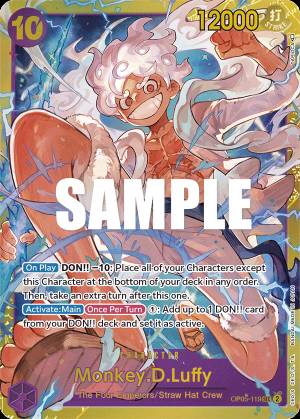
Condition checklist before you grade
- Clean edges with no whitening
- Centering within tolerance
- No surface scratches or print lines
- Strong corners with no fraying
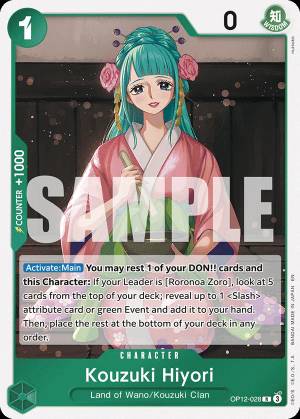
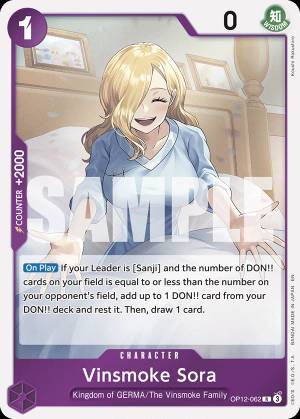
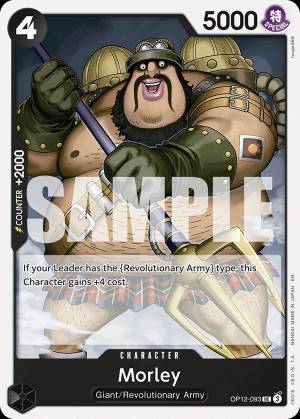

Use Haki TCG before you submit
Scan the card, record the raw value, and save it to your watchlist. That gives you a baseline for ROI and makes it easy to monitor post‑grading value changes.
CTA: Use Haki TCG to compare raw vs. graded value before you submit.
Related Articles
- One Piece TCG Card Condition Guide: Grade Your Cards at Home
Learn how to evaluate One Piece card condition with a simple, repeatable checklist before you trade or grade.
- How to Spot Fake One Piece TCG Cards (2026 Guide)
A practical visual checklist for identifying counterfeit One Piece TCG cards, with focus on common tells and high‑risk chase cards.
- Most Expensive One Piece Cards Right Now (Updated 2026)
A live‑tracking list of the most valuable One Piece TCG cards, plus what drives their value and how to monitor them.

Tus cartas de One Piece están esperando ser descubiertas.
Identificación instantánea de cartas con precisión líder en el mercado.