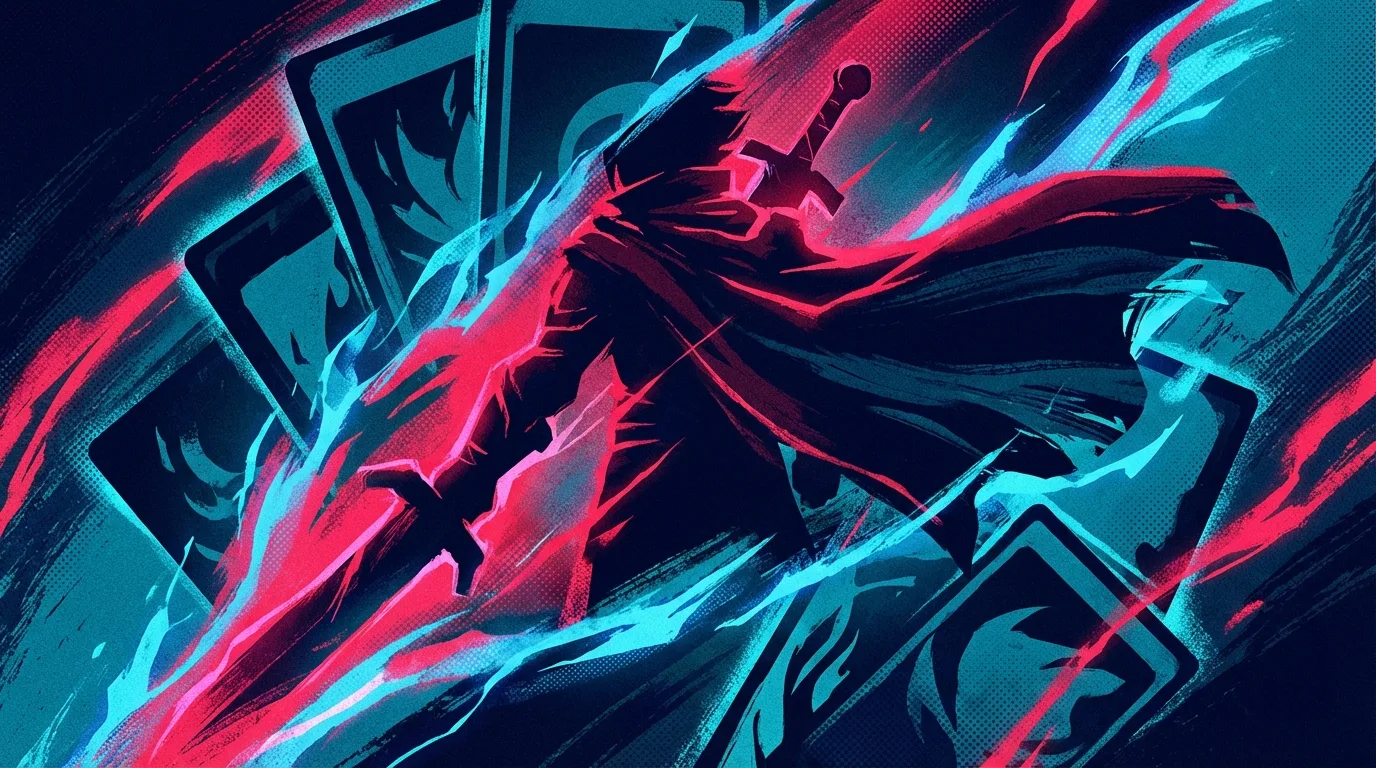
Dracule Mihawk Card Collector Guide: Core Prints to Watch
Dracule Mihawk is one of those characters where collector interest stays high across play eras, art styles, and rarity tiers, which means a single “Mihawk card” search often returns a messy mix of results. If you collect seriously, the goal is not just finding a Mihawk card, but identifying the exact print, matching condition correctly, and judging whether the current listing makes sense for your collection plan. This guide breaks down the core Dracule Mihawk print types to watch, where collectors usually get tripped up, and how to run a fast, repeatable verification workflow.
Why Dracule Mihawk cards are easy to misread
Mihawk cards are a perfect example of how One Piece singles can look similar at first glance but differ significantly in collector value. The common failure points are usually simple:
- Same character, different card function (leader vs character vs event-adjacent themed product)
- Multiple art treatments (base, parallel, alternate art, promo variants)
- Reprints with subtle frame, finish, or set labeling differences
- Listing photos that are too cropped to confirm set and rarity
- Language/version confusion when comparing sold listings
If you rely on a quick visual check only, you can easily overpay for a lower-demand print or undervalue a scarcer version you already own.
Core Dracule Mihawk prints to watch
You do not need to memorize every serial detail to make good decisions, but you should map Mihawk cards into clear collector buckets. This helps you compare “like for like” during evaluation.
1. Main set base prints
These are usually the first copies most collectors encounter. They establish the baseline look and are useful as your reference point for later variants. For these, focus on clean centering, surface quality, and whether the listing clearly shows the set/rarity marker.
2. Parallel or alternate-art versions
This is where confusion starts. Alternate visuals can make two cards feel completely different even when they share core character identity. Parallel treatments may also photograph differently under lighting, so the same card can appear inconsistent across listings. Always verify the exact variant name and set marker, not just the art image.
3. Promo releases
Promos can carry strong collector demand because supply and distribution are often narrower than regular set pulls. The risk: many listings shorten titles and omit distribution context, making it easy to misclassify them. If the listing does not clearly identify promo type, ask for a full front/back image before deciding.
4. Reprints and commemorative products
Reprints can be excellent for accessibility, but they shift collector expectations. A reprint with similar visual identity can dilute assumptions about scarcity if you are not careful. Treat reprints as separate entries in your tracking, even when the artwork looks close.
5. Regional/language variants
For collectors who buy globally, this is a major source of pricing noise. Comparable-looking cards may not share the same demand profile across regions. Keep language/version explicit in your notes so you do not compare unlike markets.
A practical way to keep this clean is building a dedicated Mihawk subset inside your cards index and checking the related set context before each buy/sell decision.
Search pitfalls that cost collectors time and money
When people say they did a “quick one piece tcg card search,” they usually mean they looked at a few thumbnails and recent listings. That is not enough for Mihawk variants. These are the most expensive mistakes:
- Title-trust bias: Assuming the seller title is fully accurate without checking set/rarity indicators.
- Art-only matching: Confirming by artwork alone and missing variant-level differences.
- Condition shortcuts: Treating all Near Mint claims equally without edge/corner surface review.
- Single-market anchoring: Pricing from one marketplace snapshot instead of broader comparables.
- Unstructured tracking: Keeping notes in memory and forgetting which print you already evaluated.
The fix is process discipline. A lightweight, repeatable method outperforms “instinct” every time, especially for character-focused collecting where duplicates and near-duplicates appear constantly.
Fast identification process before buying or listing
Use this short process whenever you handle a Mihawk card. It is quick enough for daily use and strict enough to avoid common errors.
- Capture a clear card image (front first, then back if needed) with good lighting.
- Confirm card identity by set + rarity + variant, not artwork alone.
- Compare against known entries to separate base, parallel, promo, or reprint status.
- Record condition notes immediately (corners, edges, surface, centering).
- Check a spread of recent market signals before setting a buy target or list price.
- Decide action: buy now, wait, trade, grade candidate, or pass.
- Log final decision so you do not re-run the same uncertainty later.
This process keeps emotional buying in check and gives you consistent standards whether you are collecting for display, long-term holds, or active trading.
Collector checklist for Dracule Mihawk cards
Before finalizing any Mihawk card decision, run this checklist:
- Variant verified from visible markers, not title alone
- Language/version confirmed and documented
- Condition reviewed from multiple angles
- Any foil/gloss artifacts distinguished from scratches
- Comparable listings are truly the same print
- Price decision tied to your goal (binder, grade, flip, long hold)
- Card logged in your personal collection tracker
If a listing fails two or more items, pause and gather better data first. Skipping this step is where most avoidable mistakes happen.
FAQ
How do I know if two Dracule Mihawk cards with similar art are actually different prints?
Check set code, rarity marker, and variant labeling first. Art similarity is common, especially across parallels and reprints. Treat marker-level details as the source of truth.
Should I prioritize rarity or condition when choosing between two Mihawk copies?
For most collectors, condition consistency wins unless rarity difference is substantial and clearly verified. A cleaner, properly identified copy is usually easier to value and trade later.
What is the safest way to compare value when markets look inconsistent?
Use multiple recent comparables for the exact same print and condition tier, then set a range instead of one fixed number. Avoid mixing languages, variants, or condition assumptions in a single comparison.
Use Haki TCG features to make Mihawk tracking practical
If you collect Mihawk cards regularly, the biggest advantage is reducing identification friction. Haki TCG helps by connecting card recognition, verification, organization, and valuation in one workflow:
- Use the scanner to identify cards quickly from real photos.
- Run focused search when you need exact print matching.
- Keep variants organized in your collection so duplicates and upgrade targets are obvious.
- Review market values to frame buy/sell decisions with current context.
- Browse complete card and set references through /cards and /sets when you need full confirmation.
For character-focused collecting like Dracule Mihawk, that structure is what turns scattered listings into confident decisions.
Related Articles
- Haki Scan to Database Workflow: End-to-End Collector System
End-to-end system that naturally showcases app utility
- Gecko Moria Latest Card Update: How to Monitor New Price Movement
Post-release monitoring workflow for new movement
- Eustass Captain Kid Card Guide: Search, Compare, and Track
Research and watchlist routine for high-interest leader cards
Vos cartes One Piece attendent d'être découvertes.
Identification instantanée des cartes avec une précision de pointe.