One Piece Card Condition Guide: Near Mint vs Lightly Played
Condition affects sale price, grading ROI, and buyer trust. This guide helps you describe a raw One Piece card consistently; it does not predict the numeric grade a grading company will assign.
What does “Near Mint” mean for One Piece cards?
Near Mint generally means a clean card with sharp corners, clean edges, and no significant surface damage. Very small manufacturing or handling imperfections may still exist, but condition standards differ by marketplace and buyer. Read the platform’s current condition policy before listing.
Visual defect examples
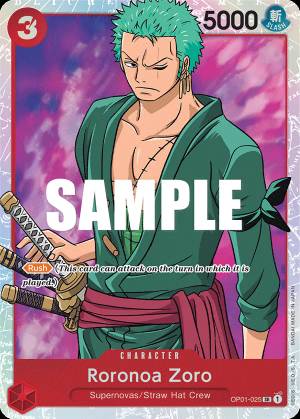
These diagrams show where common defects hide. They are inspection aids, not grading-company thresholds: size, depth, quantity, and the rest of the card still determine the overall condition.
The 5‑point condition checklist
- Corners — inspect all eight visible corner faces for whitening, fray, bends, or softness.
- Edges — rotate the card and check the entire perimeter for chips, nicks, peeling, or rough cuts.
- Surface — use angled light to reveal scratches, dents, roller marks, print lines, residue, and loss of gloss.
- Centering — compare opposite borders on the front and back; do not confuse design asymmetry with a cutting shift.
- Back — look for whitening, scuffs, stains, impressions, and ink loss that the front image hides.
Near Mint vs Lightly Played
| Area | Near Mint | Lightly Played |
|---|---|---|
| Corners | Sharp; at most tiny isolated imperfection | Minor visible whitening or soft point |
| Edges | Clean under normal viewing | Small number of light nicks or whitening spots |
| Surface | No meaningful scratches, dents, or creases | Light scratching or scuffing that does not dominate the card |
| Structure | Flat, with no crease or bend | No major crease; minor handling wear may be present |
| Overall | Clean collector copy | Clearly handled but still presentable |
When uncertain, choose the lower condition and show the defect clearly. Conservative descriptions reduce returns and protect buyer trust.
Moderately Played, Heavily Played, and Damaged
Moderately Played usually means multiple visible defects—edge whitening, scratches, or wear—but the card remains structurally usable. Heavily Played means extensive wear that is immediately obvious. Damaged covers serious structural or surface problems such as creases, bends, tears, water damage, peeling, writing, or major dents.
Exact labels vary by marketplace. Photograph every defect and follow the venue’s definitions rather than relying only on this summary.
Foil and textured-card defects
Foil and textured One Piece printings need angled-light inspection. Check for:
- Fine scratches hidden when viewed straight on
- Print lines running across the foil
- Clouding or residue
- Texture interruption
- Edge lifting or layer separation
- Dents visible only in reflected light
Do not polish or apply liquid to the surface. Alteration can make a card ineligible for a normal grade.
Photographing condition for a sale
Use a neutral background and include:
- Straight-on front and back images
- Four close corner images
- Angled-light surface images for foil cards
- A close-up of every defect mentioned in the description
Do not hide whitening against a white background or use filters that remove scratches. Keep the original files in case a buyer asks for more detail.
Preserve condition long‑term
- Put clean cards in penny sleeves before a rigid or semi-rigid holder.
- Use side-loading binders with archival-quality pages for sets.
- Avoid direct sunlight, heat, moisture, and rapid humidity changes.
- Store cards upright without compressing them tightly.
- Keep food, drinks, adhesives, and cleaning products away from the workspace.
Condition versus grading
“Near Mint” is a raw-card condition category; “PSA 9” or “CGC 9” is a company-specific numeric grade after authentication and inspection. The terms are not interchangeable.
If the card’s value could justify grading, follow the PSA, BGS, and CGC submission guide. Use the grading ROI calculator only after you estimate a realistic range, not a guaranteed 10.
FAQ
Is pack fresh the same as Near Mint?
No. Pack-fresh cards can have factory centering problems, print lines, chips, or dents.
Does a small print line make a card Lightly Played?
Marketplace policies differ, and manufacturing defects can still affect buyer expectations or a numeric grade. Disclose the line with an angled photo and use the venue’s definition.
Can I clean a One Piece card before grading?
Do not use liquids, polish, erasers, pressing, or surface treatments. A grader may identify the card as altered. Limit handling to safe dust removal and protective sleeving.
Related Articles
- How to Grade One Piece Cards: PSA, BGS & CGC Guide (2026)
A step-by-step One Piece card grading guide: inspect condition, choose PSA, BGS, or CGC, declare value, pack safely, submit, and check the result.
- Should You Grade Your One Piece Card? ROI Calculator + Guide
A practical grading ROI framework for One Piece TCG: when grading makes sense, what costs to include, and how to estimate upside.
- How to Spot Fake One Piece TCG Cards (2026 Guide)
A safe counterfeit-screening checklist for One Piece TCG cards: exact-print matching, seller evidence, text, color, cut, foil, card back, slabs, and next steps.

Scan and track every One Piece TCG card.
Identify cards with the Haki TCG scanner, check dated market prices, build decks, and manage your collection.